Indie Jane
A Self-Published Success Story

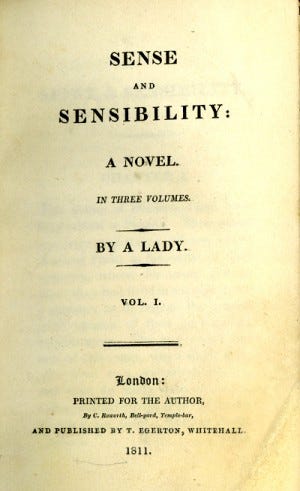
Did you know that Jane Austen was a self-published writer?
Jane Austen’s first publication was Sense and Sensibility, published in 1811. We do not know if Austen approached other publishers. She had previously submitted a manuscript (Susan, later renamed Northanger Abbey, with the heroine’s name changed to Catherine because there was another book out with the title she’d chosen) to another publisher, Crosby & Co. That publisher bought the copyright but for reasons unclear never published the book.
Several years after selling the copyright, in which time the publisher had advertised the book, Austen wrote to Crosby. Since she was publishing anonymously, she signed her letter as “Mrs. Ashford Dennis,” so she could then use the initials MAD in her signature. Crosby responded that she was welcome to buy back the copyright and threatened legal action if she published it without the copyright. Austen did not have the money.
It’s likely that, given that experience, she wanted more control. Self-publishing was a bit different back than it is now. Nowadays, you either have to cover the entire costs of a book or work with a “hybrid” publisher, which still can cost several thousand dollars. With the advant of ebooks and Amazon, it is now possible for writers to self-publish relatively inexpensively. But while self-publishing can be lucrative for some – especially writers in popular genres like romance and mystery – there is a hierarchy in the literary world that puts self-published writers at the bottom, unless the book becomes wildly successful – which still does not necessarily mean the literary world will embrace you.
And yet many now famous writers self-published. Virginia Woolf, who with her husband established her own press, self-published her first book. Mark Twain, Beatrix Potter, and Zane Grey are examples of other authors who started out by self-publishing.
In the 18th century, with the novel just coming into its own, some writers were able to have readers pay in advance by subscription, similar to how writers now might ask for funds to a Kickstarter or other crowd-funding site. Jane Austen’s name appears on one such subscription list. But, according to Lucy Worsley, publishing by subscription was “thought to be a particularly vulgar thing to do,” particularly for women. At the age of 19, Jane subscribed to a Fanny Burney novel, Camilla. Her name appears with other established authors of the day, including Maria Edgeworth and Mrs. Radcliffe.
Austen did work with an established publisher – actually, a publisher of military books. As often happens in the literary world, Austen went with Thomas Egerton because they had a connection. Her brothers James and Henry had used him for publishing their periodical The Loiterer when at Oxford. Henry also may have had additional interactions with him in his role as an army agent and then a banker.
The arrangement was “on commission.” This meant that the Austens took on the risk of publication. This was not an unusual arrangement at the time. Jane had very little money, so that risk would have been borne by her family – probably by Henry, who had a wealthy wife in addition to his own bank. If the printing costs weren’t covered by sales, they would be on the hook. But this arrangement proved advantageous: in return for publishing, advertising, and distributing 750 copies of the book, Egerton and Jane Austen were able to make a profit, and do a second printing. It must have been exhilarating.
Pride and Prejudice also did well, but in this instance, probably because Henry was ill, Jane had sold the copyright. While she made some money, given its spectacular success, she didn’t profit much from it. But she learned her lesson. And the successes of both Pride and Prejudice and Sense and Sensibility caught the attention of people at the top of the social hierarchy – even the prince regent, who was not someone Jane was crazy about. She did however dedicate Emma to him after meeting with his librarian, who “suggested” it to her. She’d written to the librarian to ask if it was a command. The librarian said it wasn’t. But undoubtedly she saw not only the business sense in this but also didn’t want to risk upsetting a royal. Austen was also able to finally buy back the copyright to Susan.
For her next two novels, Mansfield Park and Emma, Austen bore the risk of the costs. For this round, she went with a different publisher, John Murray. Unfortunately, because she decided to do a second printing of Mansfield Park, which didn’t sell as well as she hoped, her losses with that book offset her gains with Emma.
Austen died before she could see any more of her works published. Northanger Abbey (formerly Susan) and Persuasion, the last novel she completed, were published shortly after her death. The publication of Lady Susan, her unfinished works (The Watsons and Sanditon) and her juvenilia only came about once her popularity grew posthumously.
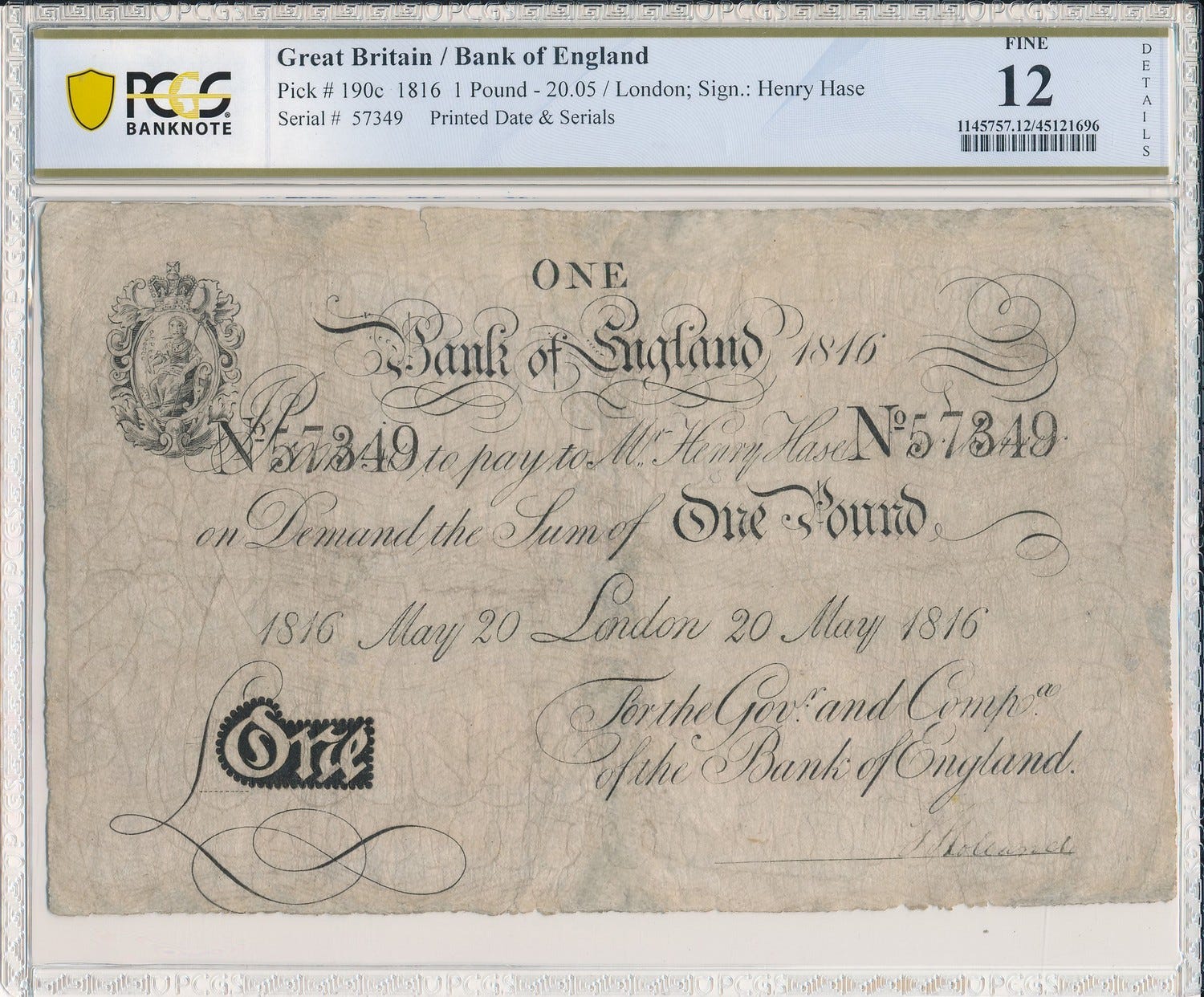
In total, Jane Austen earned just under £700 from her writing. While it wouldn’t have been enough to live on for life, she could have undoubtedly earned more, had she lived. Still, it is nice to think that Jane Austen was able to enjoy some success before she died.
What Jane Austen Made on Her Writing
First print run of Sense & Sensibility: £140
Pride and Prejudice: £110 plus royalties (because she sold the copyright, her publisher benefitted much more from the book’s success)
Mansfield Park: £310
Mansfield Park, 2nd printing and first printing of Emma – Total income after losses on MF: £35.
Total: £684 – about £58,382, or US$79,514 in today’s money
Conversion Calculators Used:
https://www.bankofengland.co.uk/monetary-policy/inflation/inflation-calculator
https://themoneyconverter.com/GBP/USD?
Next up: A Valentine: Jane Austen and Romance